
Blog & resources
AI resources for professional services
Practical guides on agentic AI, document intelligence, compliance and workflow automation — for CPA firms, law firms and RIAs.

AI Malpractice Insurance for Law Firms: What Carriers Now Ask
Malpractice carriers are adding AI questionnaires to renewals, and 25+ state bars have new AI rules. Here's what that actually requires.
CPA & Accounting Firms
AI automation for CPA firms means putting software in the path of the document-heavy work that fills a tax season — collecting client source documents, reading them, checking them against each other, and moving them into the tax application without a person retyping anything.
All 35 articles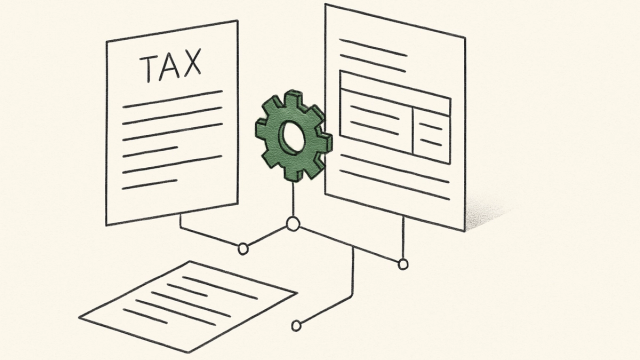
AI Tax Preparation Software: What Should a CPA Firm Expect?
What AI tax preparation software genuinely does for a CPA firm, the compliance questions to ask first, and how to size the return before busy season.

When Your Practice Management and Tax Software Won't Talk
Here's a pattern I've seen at enough firms to call it a pattern, not an exception: a firm runs Karbon or Firm360 to track engagements and TaxDome to manage clients, and separately runs CCH Axcess or UltraTax to actually prepare returns. Both tools are good at what they do. Neithe

Is Your Firm's Audit Trail One Trail, or Five Scattered Logs?
Ask a firm to produce a complete record of everything that happened on a specific engagement and watch what happens. Someone pulls the email thread. Someone else checks the document portal for upload timestamps. A third person logs into the tax software to see when the return was

Can Task Management Software Actually Tell a W-2 From a K-1?
Here's the part that gets skipped over when a firm buys task management software: the board is only accurate once a person has looked at the document, figured out what it is, decided how complicated the return is going to be, and assigned it to someone with the right availability

Why Does Billing Depend on Someone Remembering to Send It?
A return gets marked complete inside your tax software on a Tuesday afternoon in March. The invoice for that engagement goes out three weeks later, if it goes out before the client calls asking why they have not received a bill. In between, nothing happened except time passing an

Does E-Signature Software Actually Save Your Firm Time?
You finally got the client to sign the 8879. The engagement letter is signed too. So why is someone on your staff still opening the esignature portal every afternoon, downloading each completed form, and dragging it into the right client folder by hand? That is the part nobody ac
Law Firms & Legal
AI automation for law firms covers the operational work that sits around legal work rather than replacing it: capturing billable time that currently goes unrecorded, running conflict checks at intake, moving documents through iManage or NetDocuments, monitoring regulatory and SEC filings, and reviewing contracts at a volume that manual review cannot reach.
All 23 articles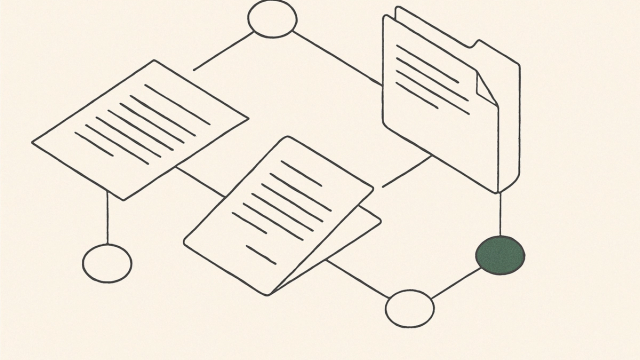
AI Contract Lifecycle Management: Where Does It Actually Help?
Where AI genuinely helps across the contract lifecycle, which stages it should never touch, and the review design that keeps counsel accountable.

Legal Process Outsourcing vs. an AI Document Review System
Before you send another batch of documents to an outsourced reviewer, see what actually changes when a private AI system does the first pass instead.

Does Law Firm Time Capture Automation Really Pay Off?
Clio says lawyers bill just 2.9 of 8 hours a day. See the full netted math on what law firm time capture automation is worth, after every cost.

AI Workflow Automation for UAE Law Firms (DIFC & ADGM)
UAE law firms run matters across three legal systems. See how workflow automation fits mainland, DIFC, and ADGM compliance requirements.

SEC Filing Monitoring Automation for Law Firms
Law firms lose hours and miss material events on manual EDGAR checks. See how SEC filing monitoring automation builds a defensible, auditable compliance workflow.

Clio Tracks Billables. It Doesn't Capture Them. Claude Does.
Clio and Elite 3E bill what's logged. Neither notices the work that never got timed. Here's the exact n8n + Claude workflow that reconstructs a real day.
RIAs & Wealth Management
For registered investment advisers, automation earns its place in the operational layer between the custodian, the CRM and the client — the work that scales with client count rather than with assets.
All 28 articles
ACAT Transfer Paperwork Automation: Cut NIGO Rejections
Chasing rejected ACAT transfers costs your ops team hours every week. See how automated form-checking catches NIGO errors before Schwab, Fidelity, or Pershing does.

AI Meeting Prep for Financial Advisors: Build vs. Buy for RIAs
Per-seat AI notetakers cost $75-120/mo and sit in someone else's cloud. Here's how a custom meeting prep pipeline works inside your own Redtail or Wealthbox stack.

Custody Statement Reconciliation Automation for Multi-Custodian RIAs
How multi-custodian RIAs automate Schwab, Fidelity and Pershing statement matching against Orion or Black Diamond, with a compliant audit trail.

Form ADV Amendment Automation: Stop Re-Keying What Your CRM Already Knows
Automate Form ADV amendments by pulling AUM, personnel, and fee changes straight from Redtail or Wealthbox instead of re-keying them by hand every filing season.

KYC Automation for Wealth Management: Fixing the Real Bottleneck
Most KYC delays at RIAs aren't a compliance problem. They're a re-keying problem between your custodian and your CRM. Here is what actually fixes it.

Orion Reporting Automation: Getting Report Data Into Your CRM
Orion's batch reports still run on a Windows Scheduler task, not a live feed. Here's how to pipe that data into Redtail or Wealthbox before every meeting.
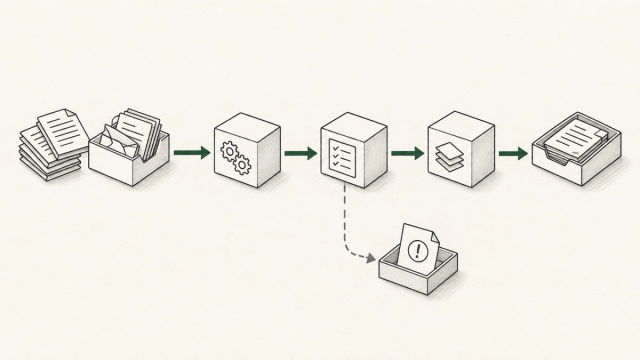
Workflow Automation for Small Business: Where to Start
A small-business workflow automation guide: choose the first process, calculate the payoff, avoid overbuilding and keep ownership after handover.
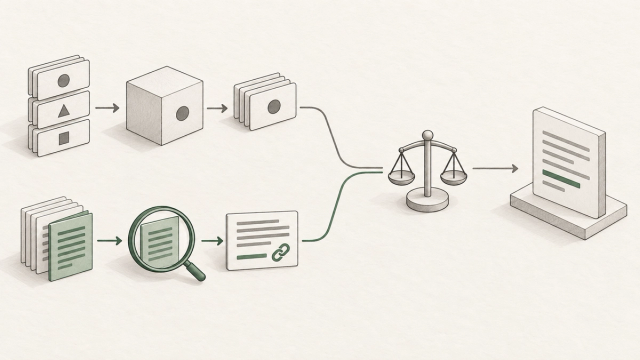
Fine-Tuning vs RAG: Which One Does Your Business Need?
Choose fine-tuning or RAG by the problem: behaviour, private knowledge, freshness and citations. Includes a decision tree and hybrid cases.
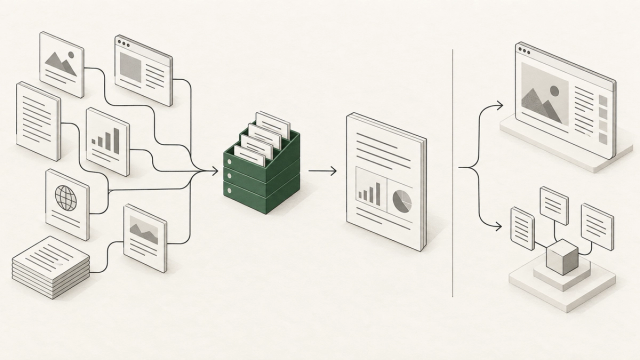
AI Market Research Tool: Should You Buy or Build?
Choose an AI market research tool by evidence, coverage and repeatability. A practical build-vs-buy guide for competitor, customer and market research.
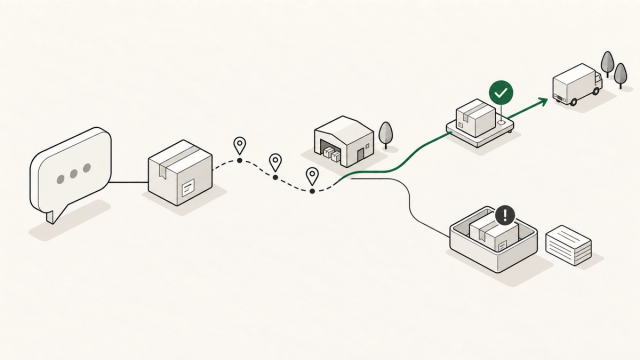
AI Chatbot for Ecommerce: What to Automate and What to Escalate
Choose and deploy an ecommerce AI chatbot around real support work: order context, safe actions, escalation, measurement and the cases a person must own.

AI Demand Forecasting: Buy a Tool or Build Around Your Data?
A practical AI demand forecasting guide: readiness, build vs buy, cold starts, exceptions and measures that show whether a forecast helps.
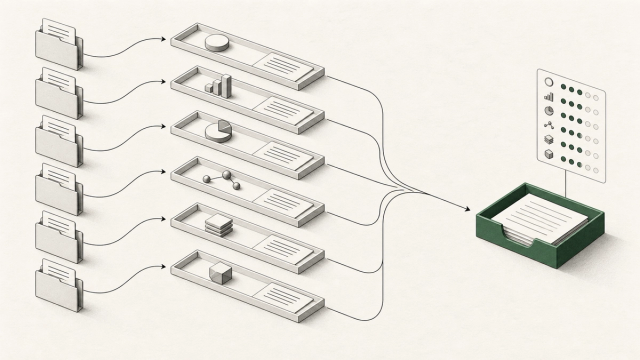
Best AI Recruiting Software: 6 Tools and a Buyer’s Scorecard
Compare six AI recruiting platforms by the job they do best, then score screening, scheduling, records, fairness and human review.
All articles
160 articles · page 1 of 6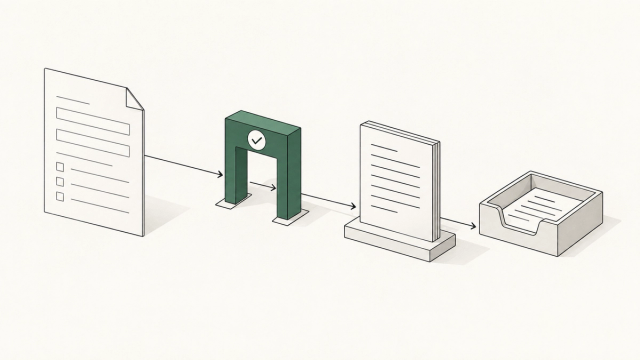
AI Form Builder: What to Choose Before You Automate Intake
Choose an AI form builder by what happens after submit, not how quickly it drafts questions. A practical guide to logic, handoffs, review and ownership.
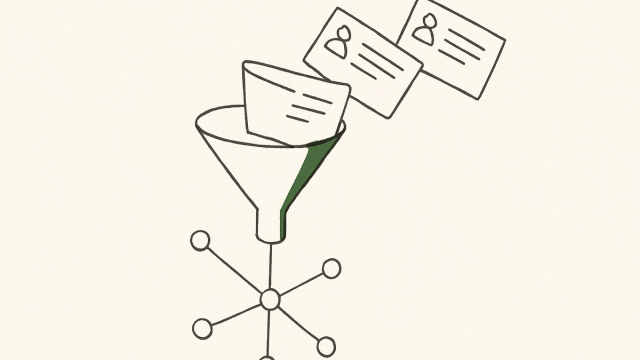
AI Native CRM: Is Your CRM the Problem, or the Data in It?
Before replacing your CRM with an AI-native one, check whether the real fault is the data going in. A diagnostic, and what each answer costs to fix.
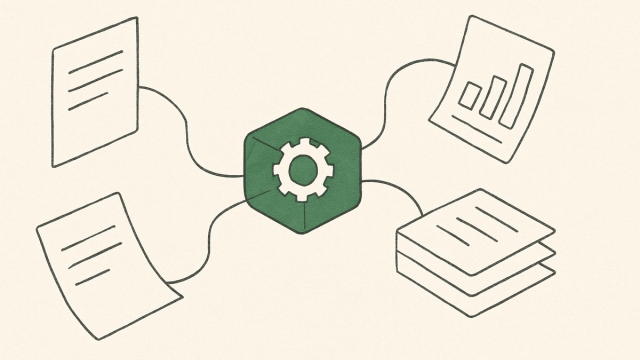
AI Marketing Agents: Which Half of the Job Can They Do?
Generation is solved, distribution and measurement are not. Where AI marketing agents genuinely help, where they create work, and how to scope one.
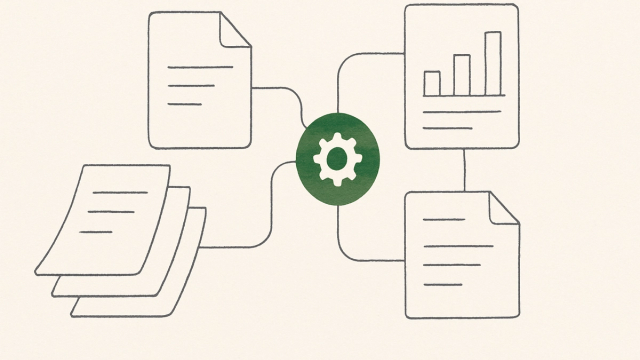
Generative AI Consulting Services: What Are You Paying For?
What generative AI consulting actually delivers, the three ways these engagements fail, and how to write a scope that produces something you can use.
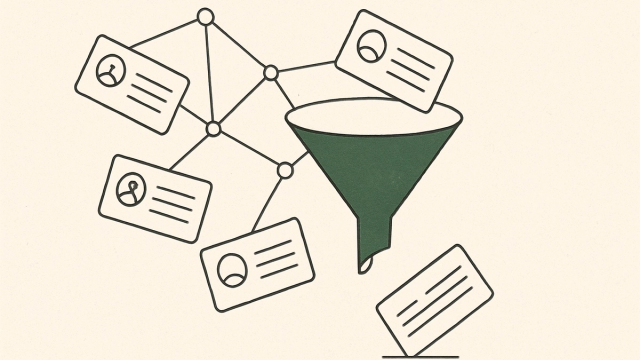
Why AI Sales Agents Fail: Our Own 11,458-Message Post-Mortem
We sent 11,458 automated outbound messages and got zero replies. The full post-mortem, what actually broke, and which parts of AI sales genuinely work.
Integration Software as a Service: Do You Need a Platform?
When integration platforms earn their licence fee and when they are overkill. The four questions that decide it, and what the pricing model hides.
RAG as a Service: What Are You Actually Buying?
RAG as a service explained for buyers. What it does, why citation accuracy is the whole product, and the questions most vendors will not answer.
AI Readiness Assessment: Can You Score Your Own Firm?
A scored AI readiness assessment you can run yourself in 20 minutes, across data, process, people and risk, with what each score means for spend.
AI Agents for Business: Which Four Jobs Actually Work?
Most AI agent projects quietly fail. See the four jobs agents genuinely do in production, the three that get abandoned, and how to tell them apart.
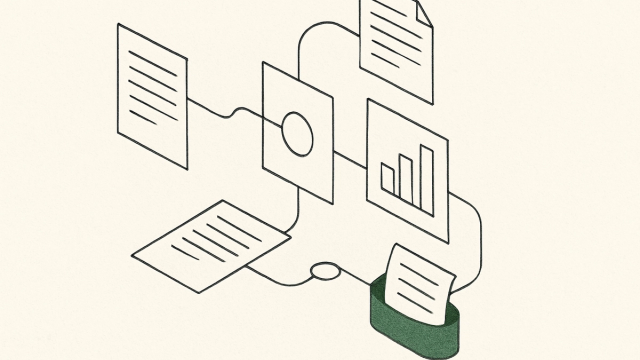
What Is Intelligent Automation, and Is It Different From RPA?
Intelligent automation explained plainly. See how it differs from RPA, what the added intelligence actually does, and when the older approach is enough.

What Is Workflow Automation, and Where Does It Actually Pay?
Workflow automation explained without vendor language. See the four jobs it genuinely does, where it fails, and how to size the return yourself.
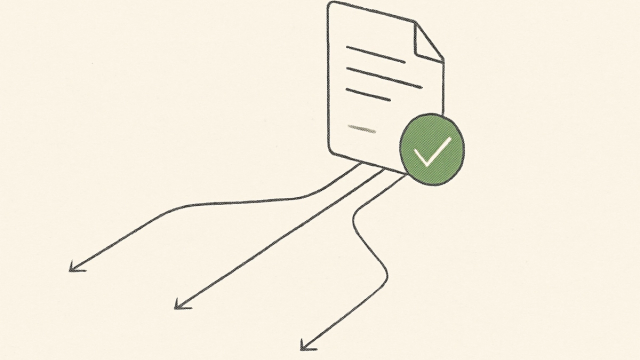
Do You Need an AI Automation Consultant or a Better Process?
What an AI automation consultant actually delivers week by week, what it costs, and the handover test that separates one from a freelancer.
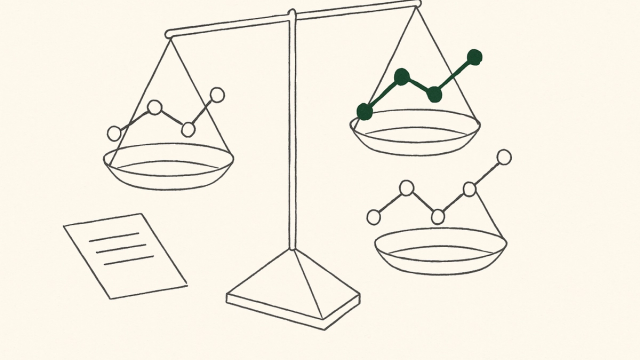
Make vs n8n vs Zapier: Which Should Your Firm Actually Buy?
Zapier, Make or n8n for your firm's automation? Compare real cost behaviour at volume, where your client data sits, and which one you can still leave.
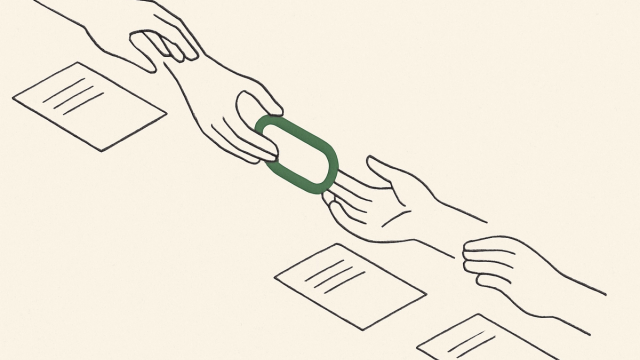
What Is Hyperautomation, and Does Your Firm Actually Need It?
Hyperautomation explained without vendor language. See what it means, how it differs from ordinary automation, and three signs your firm is ready.
n8n Consultant, Freelancer or Agency: Which Should You Hire?
Freelancer, agency or certified partner for your n8n build? Compare real cost bands, handover risk, and the failure mode most hiring guides miss.

How Do You Evaluate a Process Automation Services Vendor?
Most process automation vendors will quote you a number after an hour of talk. Here's the one thing worth asking for before you sign anything.

Process Automation Services: RPA vs. AI Agents
Is RPA the same as AI? No, and the difference decides whether your automation survives the first document that doesn't match the template.

Data Entry Outsourcing vs. an AI System: What Actually Changes
Before signing another data-entry outsourcing contract, see what changes when a system reads the documents instead of a vendor's staff.

The Job Is Done. So Why Doesn't Billing Know Yet?
A finished job should update billing, the client record and the partner. Here is why it still runs on memory, and what one firm recovered by fixing it.

Why Does Setting Up a New Client Take So Much Typing?
A signed engagement should create the client everywhere at once. Here is why it does not, and what one firm cut onboarding from a month to 5 days.

Your Client Uploaded Everything. So Why Isn't It Ready?
Karbon files client documents perfectly and never reads them. Here is what it costs when a preparer becomes a typist, and how firms close that gap.

Which of Your Clients Has No Current Engagement Letter?
Over half of tax malpractice claims involved no engagement letter. Here is how a firm knows every client has a current one, without chasing a list.

Why Does Your K-1 Scanning Tool Still Miss the Footnotes?
Your scanner reads the K-1 face page fine. Then a senior preparer retypes every footnote and state schedule by hand. Here is what to do about it.

Why Is Your Team Still the Conveyor Belt Inside Karbon?
Karbon's automators change a status, a date, an assignee. That is the whole list. Here is the work real firms removed around it, and what it was worth.