Case Study

Case Study

How LedgerSync transformed operations using AI automation

Company

LedgerSync

Company

LedgerSync

Company

LedgerSync

Services

OCR, LLM, Workflow Automation

Services

OCR, LLM, Workflow Automation

Services

OCR, LLM, Workflow Automation

Industry

Technology

Industry

Technology

Industry

Technology

Website

Website

Year

2024

Year

2024

Year

2024

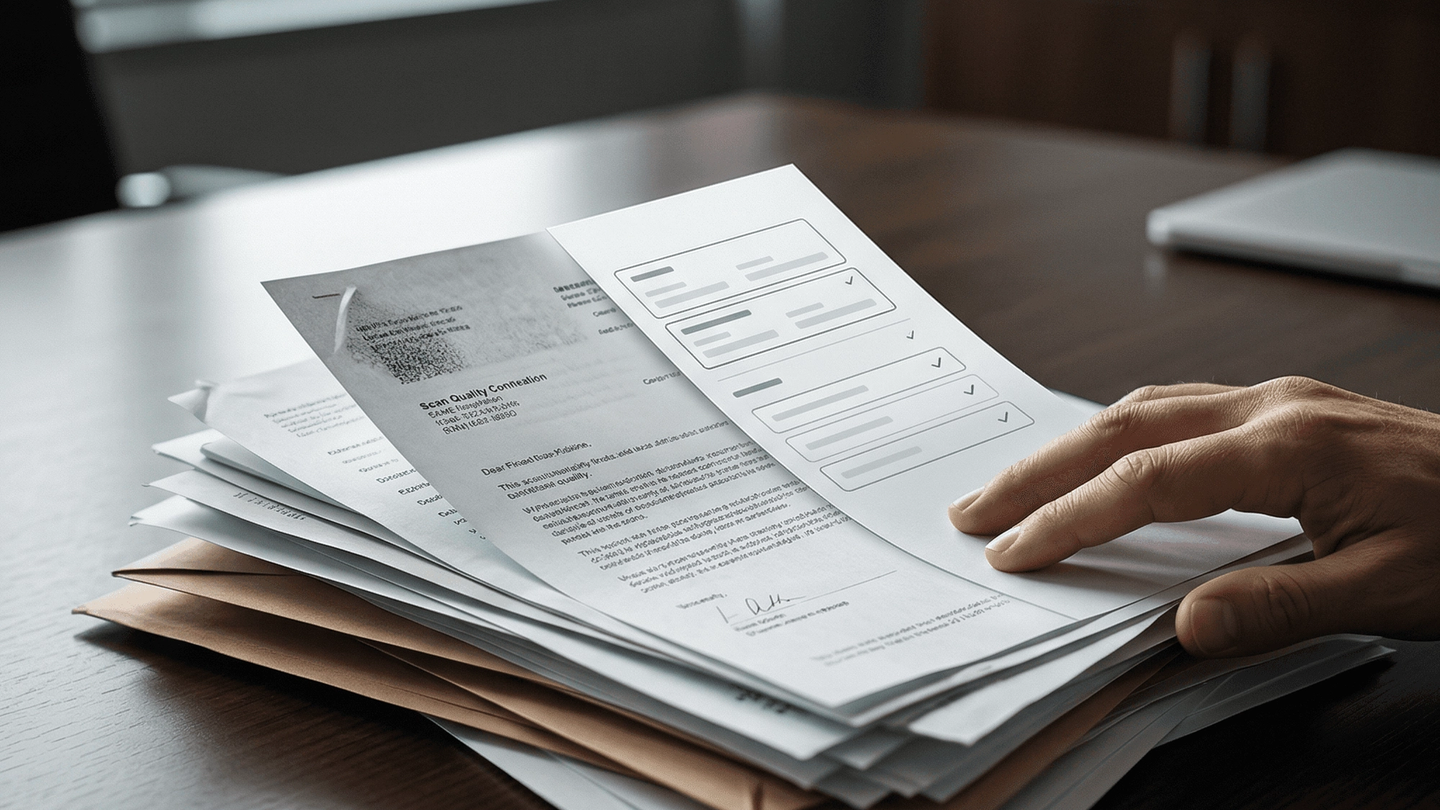
LedgerSync, a mid-sized fintech SaaS provider, helps businesses manage vendor payments, invoices, and financial workflows. But internally, their own invoice ingestion and validation process was entirely manual. Hundreds of vendor invoices arrived every week in inconsistent formats—scanned PDFs, emails, image attachments, forwarded WhatsApp messages, and ERP exports. Processing these invoices required manual data entry, field validation, cross-checking totals, matching line items with PO records, and then finally syncing everything into their ERP. This created a never-ending backlog that was growing by the week. In partnership with Chronexa, LedgerSync automated the entire invoice processing pipeline using OCR, AI-powered field extraction, semantic validation, anomaly detection, and ERP auto-sync. The transformation removed 98% of manual work, virtually eliminated backlog, and ensured financial data accuracy at scale. What once took hours per batch now runs automatically in minutes.

client placeholder

Client Name

Operations Lead

“We achieved in three weeks what we couldn’t in three years. Our invoice backlog disappeared, accuracy shot up, and month-end stress vanished. Chronexa’s automation runs quietly in the background and just works.”

The Challenge

Despite being a fintech platform themselves, LedgerSync struggled with their own internal AP operations. The issues were structural:

1. Invoices came in dozens of inconsistent formats

Vendors used different templates and layouts.
Some invoices were clean PDFs; others were poor-quality scans or photos.
The AP team manually typed:

  • Vendor name

  • Invoice number

  • Line items

  • Taxes

  • Due dates

  • Totals
    This consumed 4–6 minutes per invoice, even for simple ones.

2. Backlogs increased rapidly

As the company grew, so did invoice volume.
During month-end close, the backlog reached 600+ invoices, delaying reconciliations and slowing financial reporting.

3. High risk of errors

Manual entry meant issues like:

  • Mistyped amounts

  • Missing line items

  • Incorrect tax interpretation

  • Duplicate invoice entries
    Even small mistakes created reconciliation headaches.

4. Compliance and audit risks

Finance leaders worried about:

  • Inconsistent entry formats

  • Missing vendor compliance fields

  • Untracked corrections

  • Delays in approvals

Auditors flagged the workflow as a repeat operational risk.

5. No visibility into real-time payables

Because invoices were processed days (sometimes weeks) after arrival, executives lacked an up-to-date view of:

  • Total liabilities

  • Upcoming due dates

  • Vendor concentration risk

  • Month-end cash requirements

They needed automation to bring real-time clarity.

The Solution: End-to-End AI Invoice Processing System

Chronexa delivered an end-to-end automation engine capable of handling the entire lifecycle of an invoice—from ingestion to ERP sync—without human intervention unless needed.

Here’s how it works:

1. Universal Invoice Ingestion Pipeline

Invoices now flow into a single entry point via:

  • Email forwarding

  • PDF uploads

  • WhatsApp → API

  • Vendor portals

  • ERP exports

Every invoice is converted into a standardized processing format.

2. Advanced OCR + Layout Reconstruction

Traditional OCR wasn’t enough. We deployed a layout-aware extraction model capable of:

  • Understanding hierarchical structures (header, footer, line items)

  • Reconstructing multi-page tables

  • Detecting currency, taxes, discounts, and subtotals

  • Extracting vendor metadata

Accuracy: 92%+ on first pass, even for noisy scans.

3. AI Field Validation + Semantic Checks

A custom LLM agent performs deep validation, including:

  • Cross-checking totals vs. line items

  • Matching tax fields with expected regional formats

  • Detecting anomalies or out-of-policy charges

  • Identifying duplicates across historical invoices

  • Vendor name normalization

If something looks off, it flags the invoice with an explanation.

4. Rules Engine for Compliance Workflows

Chronexa integrated a lightweight rules engine to support LedgerSync’s compliance policies:

  • PO match required? → Auto-check

  • Vendor missing GST/VAT? → Auto-flag

  • Invoice above threshold? → Auto-route for approval

This brought consistency to AP processing for the first time.

5. ERP Auto-Sync with Error-Free Data

Once an invoice passes validation:

  • Clean structured JSON is generated

  • Line items are formatted to ERP schema

  • The invoice is synced automatically

If human approval is required, the automation pauses and waits for sign-off.

The Challenge

Despite being a fintech platform themselves, LedgerSync struggled with their own internal AP operations. The issues were structural:

1. Invoices came in dozens of inconsistent formats

Vendors used different templates and layouts.
Some invoices were clean PDFs; others were poor-quality scans or photos.
The AP team manually typed:

  • Vendor name

  • Invoice number

  • Line items

  • Taxes

  • Due dates

  • Totals
    This consumed 4–6 minutes per invoice, even for simple ones.

2. Backlogs increased rapidly

As the company grew, so did invoice volume.
During month-end close, the backlog reached 600+ invoices, delaying reconciliations and slowing financial reporting.

3. High risk of errors

Manual entry meant issues like:

  • Mistyped amounts

  • Missing line items

  • Incorrect tax interpretation

  • Duplicate invoice entries
    Even small mistakes created reconciliation headaches.

4. Compliance and audit risks

Finance leaders worried about:

  • Inconsistent entry formats

  • Missing vendor compliance fields

  • Untracked corrections

  • Delays in approvals

Auditors flagged the workflow as a repeat operational risk.

5. No visibility into real-time payables

Because invoices were processed days (sometimes weeks) after arrival, executives lacked an up-to-date view of:

  • Total liabilities

  • Upcoming due dates

  • Vendor concentration risk

  • Month-end cash requirements

They needed automation to bring real-time clarity.

The Solution: End-to-End AI Invoice Processing System

Chronexa delivered an end-to-end automation engine capable of handling the entire lifecycle of an invoice—from ingestion to ERP sync—without human intervention unless needed.

Here’s how it works:

1. Universal Invoice Ingestion Pipeline

Invoices now flow into a single entry point via:

  • Email forwarding

  • PDF uploads

  • WhatsApp → API

  • Vendor portals

  • ERP exports

Every invoice is converted into a standardized processing format.

2. Advanced OCR + Layout Reconstruction

Traditional OCR wasn’t enough. We deployed a layout-aware extraction model capable of:

  • Understanding hierarchical structures (header, footer, line items)

  • Reconstructing multi-page tables

  • Detecting currency, taxes, discounts, and subtotals

  • Extracting vendor metadata

Accuracy: 92%+ on first pass, even for noisy scans.

3. AI Field Validation + Semantic Checks

A custom LLM agent performs deep validation, including:

  • Cross-checking totals vs. line items

  • Matching tax fields with expected regional formats

  • Detecting anomalies or out-of-policy charges

  • Identifying duplicates across historical invoices

  • Vendor name normalization

If something looks off, it flags the invoice with an explanation.

4. Rules Engine for Compliance Workflows

Chronexa integrated a lightweight rules engine to support LedgerSync’s compliance policies:

  • PO match required? → Auto-check

  • Vendor missing GST/VAT? → Auto-flag

  • Invoice above threshold? → Auto-route for approval

This brought consistency to AP processing for the first time.

5. ERP Auto-Sync with Error-Free Data

Once an invoice passes validation:

  • Clean structured JSON is generated

  • Line items are formatted to ERP schema

  • The invoice is synced automatically

If human approval is required, the automation pauses and waits for sign-off.

The Challenge

Despite being a fintech platform themselves, LedgerSync struggled with their own internal AP operations. The issues were structural:

1. Invoices came in dozens of inconsistent formats

Vendors used different templates and layouts.
Some invoices were clean PDFs; others were poor-quality scans or photos.
The AP team manually typed:

  • Vendor name

  • Invoice number

  • Line items

  • Taxes

  • Due dates

  • Totals
    This consumed 4–6 minutes per invoice, even for simple ones.

2. Backlogs increased rapidly

As the company grew, so did invoice volume.
During month-end close, the backlog reached 600+ invoices, delaying reconciliations and slowing financial reporting.

3. High risk of errors

Manual entry meant issues like:

  • Mistyped amounts

  • Missing line items

  • Incorrect tax interpretation

  • Duplicate invoice entries
    Even small mistakes created reconciliation headaches.

4. Compliance and audit risks

Finance leaders worried about:

  • Inconsistent entry formats

  • Missing vendor compliance fields

  • Untracked corrections

  • Delays in approvals

Auditors flagged the workflow as a repeat operational risk.

5. No visibility into real-time payables

Because invoices were processed days (sometimes weeks) after arrival, executives lacked an up-to-date view of:

  • Total liabilities

  • Upcoming due dates

  • Vendor concentration risk

  • Month-end cash requirements

They needed automation to bring real-time clarity.

The Solution: End-to-End AI Invoice Processing System

Chronexa delivered an end-to-end automation engine capable of handling the entire lifecycle of an invoice—from ingestion to ERP sync—without human intervention unless needed.

Here’s how it works:

1. Universal Invoice Ingestion Pipeline

Invoices now flow into a single entry point via:

  • Email forwarding

  • PDF uploads

  • WhatsApp → API

  • Vendor portals

  • ERP exports

Every invoice is converted into a standardized processing format.

2. Advanced OCR + Layout Reconstruction

Traditional OCR wasn’t enough. We deployed a layout-aware extraction model capable of:

  • Understanding hierarchical structures (header, footer, line items)

  • Reconstructing multi-page tables

  • Detecting currency, taxes, discounts, and subtotals

  • Extracting vendor metadata

Accuracy: 92%+ on first pass, even for noisy scans.

3. AI Field Validation + Semantic Checks

A custom LLM agent performs deep validation, including:

  • Cross-checking totals vs. line items

  • Matching tax fields with expected regional formats

  • Detecting anomalies or out-of-policy charges

  • Identifying duplicates across historical invoices

  • Vendor name normalization

If something looks off, it flags the invoice with an explanation.

4. Rules Engine for Compliance Workflows

Chronexa integrated a lightweight rules engine to support LedgerSync’s compliance policies:

  • PO match required? → Auto-check

  • Vendor missing GST/VAT? → Auto-flag

  • Invoice above threshold? → Auto-route for approval

This brought consistency to AP processing for the first time.

5. ERP Auto-Sync with Error-Free Data

Once an invoice passes validation:

  • Clean structured JSON is generated

  • Line items are formatted to ERP schema

  • The invoice is synced automatically

If human approval is required, the automation pauses and waits for sign-off.

Results

📉 98% Reduction in Manual Data Entry

The AP team went from typing thousands of fields per week → reviewing only flagged exceptions.

⚡ 10× Faster Month-End Close

Real-time invoice ingestion meant:

  • No backlog

  • No late-night manual entry

  • Clean, validated financial data always available

🎯 0 Duplicate Invoices Posted

The semantic validation engine stopped every duplicate before ERP entry.

💰 $65,000 Annual Savings in Labor Costs

With automation doing the heavy lifting, LedgerSync avoided additional hires even as volume increased.

🧾 Audit-Ready Transparency

Every validated field, flag, and AI decision is stored with traceability.

This improved audit outcomes and reduced compliance risk.

Client Testimonial

“We achieved in three weeks what we couldn’t in three years. Our invoice backlog disappeared, accuracy shot up, and month-end stress vanished. Chronexa’s automation runs quietly in the background and just works.”
Michael Trent, CFO, LedgerSync

Why This Project Matters

Invoice processing is one of the most common workflows in finance—and one of the most painful.
This project shows how AI + automation can:

  • remove backlog permanently

  • improve financial accuracy

  • create real-time visibility into liabilities

  • scale without extra hiring

  • reduce operational risk

LedgerSync now operates a modernized AP engine that is faster, cleaner, and significantly more cost-efficient.

Results

📉 98% Reduction in Manual Data Entry

The AP team went from typing thousands of fields per week → reviewing only flagged exceptions.

⚡ 10× Faster Month-End Close

Real-time invoice ingestion meant:

  • No backlog

  • No late-night manual entry

  • Clean, validated financial data always available

🎯 0 Duplicate Invoices Posted

The semantic validation engine stopped every duplicate before ERP entry.

💰 $65,000 Annual Savings in Labor Costs

With automation doing the heavy lifting, LedgerSync avoided additional hires even as volume increased.

🧾 Audit-Ready Transparency

Every validated field, flag, and AI decision is stored with traceability.

This improved audit outcomes and reduced compliance risk.

Client Testimonial

“We achieved in three weeks what we couldn’t in three years. Our invoice backlog disappeared, accuracy shot up, and month-end stress vanished. Chronexa’s automation runs quietly in the background and just works.”
Michael Trent, CFO, LedgerSync

Why This Project Matters

Invoice processing is one of the most common workflows in finance—and one of the most painful.
This project shows how AI + automation can:

  • remove backlog permanently

  • improve financial accuracy

  • create real-time visibility into liabilities

  • scale without extra hiring

  • reduce operational risk

LedgerSync now operates a modernized AP engine that is faster, cleaner, and significantly more cost-efficient.

Results

📉 98% Reduction in Manual Data Entry

The AP team went from typing thousands of fields per week → reviewing only flagged exceptions.

⚡ 10× Faster Month-End Close

Real-time invoice ingestion meant:

  • No backlog

  • No late-night manual entry

  • Clean, validated financial data always available

🎯 0 Duplicate Invoices Posted

The semantic validation engine stopped every duplicate before ERP entry.

💰 $65,000 Annual Savings in Labor Costs

With automation doing the heavy lifting, LedgerSync avoided additional hires even as volume increased.

🧾 Audit-Ready Transparency

Every validated field, flag, and AI decision is stored with traceability.

This improved audit outcomes and reduced compliance risk.

Client Testimonial

“We achieved in three weeks what we couldn’t in three years. Our invoice backlog disappeared, accuracy shot up, and month-end stress vanished. Chronexa’s automation runs quietly in the background and just works.”
Michael Trent, CFO, LedgerSync

Why This Project Matters

Invoice processing is one of the most common workflows in finance—and one of the most painful.
This project shows how AI + automation can:

  • remove backlog permanently

  • improve financial accuracy

  • create real-time visibility into liabilities

  • scale without extra hiring

  • reduce operational risk

LedgerSync now operates a modernized AP engine that is faster, cleaner, and significantly more cost-efficient.

More Cases

More Cases

More Cases

Curious for more? Explore additional case studies and see what’s possible for your business too